
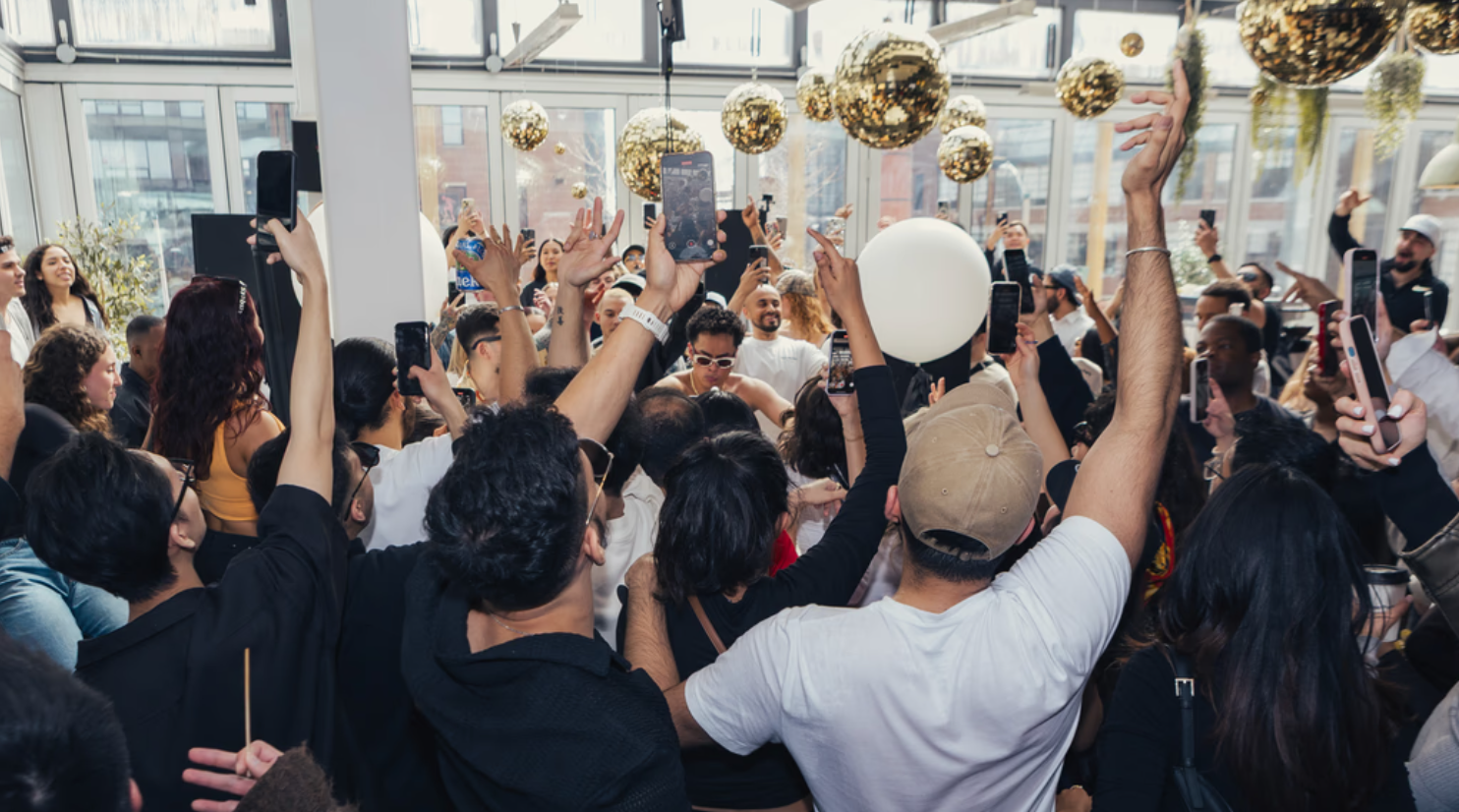
One of the most interesting shifts over the past 30 days is what new venues are not doing.
They’re not calling themselves nightclubs.

Instead, they’re opening as restaurants, cocktail bars, or “hospitality concepts.”
But once the clock hits 10:30PM, the transformation happens.

Music goes up.
Lighting drops.
Tables fill.
And suddenly, they’re operating like nightlife venues.
Spots like Casa Madera are perfect examples of this hybrid model.
They don’t market themselves as clubs.
But they compete directly with them.
This strategy gives operators flexibility.
They capture dinner traffic early.
Then transition into late-night revenue.
It’s a longer, more controlled night.
It also changes customer expectations.
Guests arrive earlier and stay longer.
Spending becomes more distributed.
From a branding perspective, this avoids the stigma some people associate with nightclubs.
It feels more elevated.
More intentional.
Another advantage is licensing.
Operating as a restaurant often provides more flexibility than a traditional nightclub license.
This opens up opportunities for extended service and varied programming.
We’re also seeing more design investment in these spaces.
They’re built to look good at every hour.
Day, dinner, and nightlife.
This maximizes content output.
And content drives traffic.
From a competitive standpoint, traditional clubs are being forced to adapt.
They can’t rely solely on late-night energy anymore.
They need earlier engagement.
The lines between categories are blurring.
Restaurant.
Lounge.
Club.
They’re all merging.
And the venues that embrace this are gaining ground quickly.