
Why a Michelin Star Isn’t the Safety Net It Used to Be
Michelin recognition is often treated as the ultimate stamp of approval for a restaurant — proof that a kitchen has hit a level most operators never reach. But according to Daniel Hadida, co-executive chef and owner of Restaurant Pearl Morissette, the accolade alone isn’t enough to guarantee survival in Toronto’s brutally competitive dining market.

Southern Ontario currently counts 17 Michelin-starred restaurants, alongside a longer list of Bib Gourmand and Recommended spots. But the past year has been rough even for the recognized ones. Vietnamese favourite Cà Phê Rang — helmed by a mentor of celebrity chef Matty Matheson — and the beloved pasta window at Famiglia Baldassarre both closed despite Michelin’s backing. The closure that really rattled the scene, though, was Hexagon, an Oakville restaurant whose kitchen had earned a star two years running.
For Hadida, that string of closures reflects a broader shift rather than any single restaurant’s failure. “There have been a lot of lagging indicators, especially as things have been progressing over the last two years,” he said. In his view, the industry is now absorbing the delayed effects of tighter consumer spending, global instability and rising day-to-day costs — pressures that had been building for a while before actually hitting restaurants’ bottom lines.
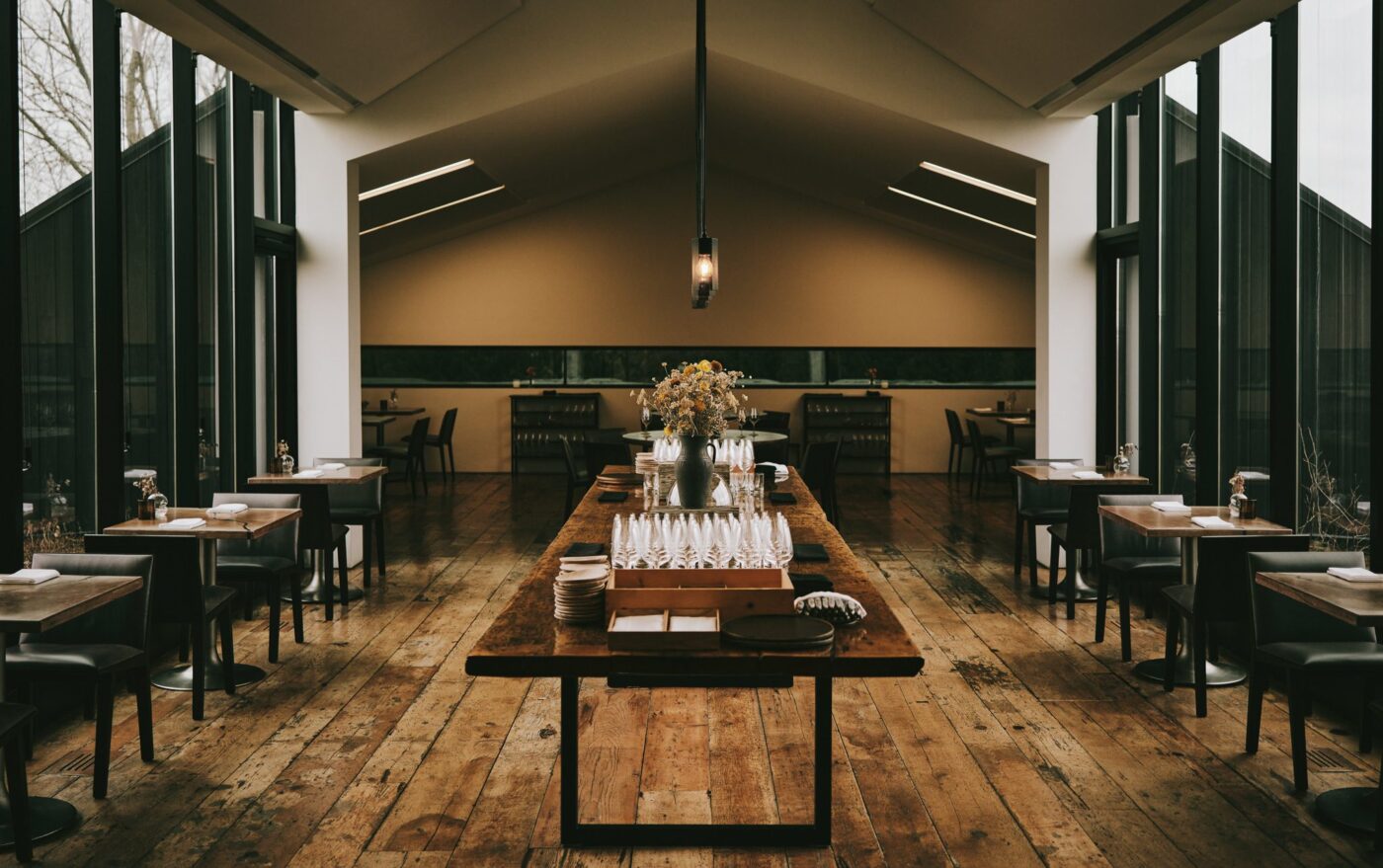
Hadida’s own restaurant carries real weight behind these comments. Pearl Morissette is one of only two restaurants in Canada holding two Michelin stars, alongside Tanière in Quebec City, and it currently ranks third among North America’s best. Even with that level of recognition, Hadida is candid that nobody in the industry is truly insulated — Hexagon’s sudden closure, despite its own star and a sous chef who’d won the S. Pellegrino Young Chef Academy competition, is proof enough of that.
Location has helped Pearl Morissette in ways a downtown Toronto restaurant doesn’t get access to. Sitting just outside St. Catharines rather than in the middle of the city’s saturated core gives it a degree of exclusivity, plus direct access to American tourists chasing value in a comparatively strong Canadian dollar environment. “We’re really fortunate that we are in a great spot, and we are going to keep leveraging that… by hiring the right kind of people who can help us stay nimble,” Hadida said.
But even that advantage doesn’t erase the underlying math. Pearl Morissette sources almost exclusively Canadian ingredients and runs its own farm and bakery to control costs — and even then, Hadida says the margins are far thinner than most diners would assume. Operating at that level, he explained, is only sustainable because the restaurant is already succeeding; without that success, the economics simply wouldn’t work. He was blunt about the perception gap: people assume a restaurant at this level must be printing money, when in his telling the actual margin is barely there.
Rather than lean further into the flash that once defined high-end dining, Hadida sees the winning strategy going the other way. He points to a broader pullback from the “molecular gastronomy” era popularized by Noma over the past decade, arguing that when people are only planning one expensive night out a year, they’re looking for comfort and authenticity rather than an elaborate science lesson on a plate.
That shift shows up clearly in which Toronto restaurants have made Michelin’s radar beyond the star system — spots like Mother’s Dumplings in Chinatown, White Lily Diner in Riverside, and Cherry Street Bar-B-Que, each built around a single cuisine executed plainly and well. As Hadida frames it, diners are drawn to food that clearly comes from someone’s own household or neighbourhood, because that kind of authenticity reads as a built-in guarantee of quality.
He also pushes back on the idea that a Michelin star belongs to a restaurant at all — in his view, it belongs to the chef, which puts real pressure on individual talent to keep delivering that sense of earnestness diners are looking for. He points to Hexagon’s former head chef, Rafa Covarrubias, who left before that restaurant’s closure and has since moved to Restaurant 20 Victoria, where he’s had more freedom to lean into Mexican flavour profiles than he did before.
Asked what actually protects a restaurant’s Michelin status long-term, Hadida’s answer was simple: quality is what keeps the star, and quality with real meaning behind it is what keeps people coming back.