
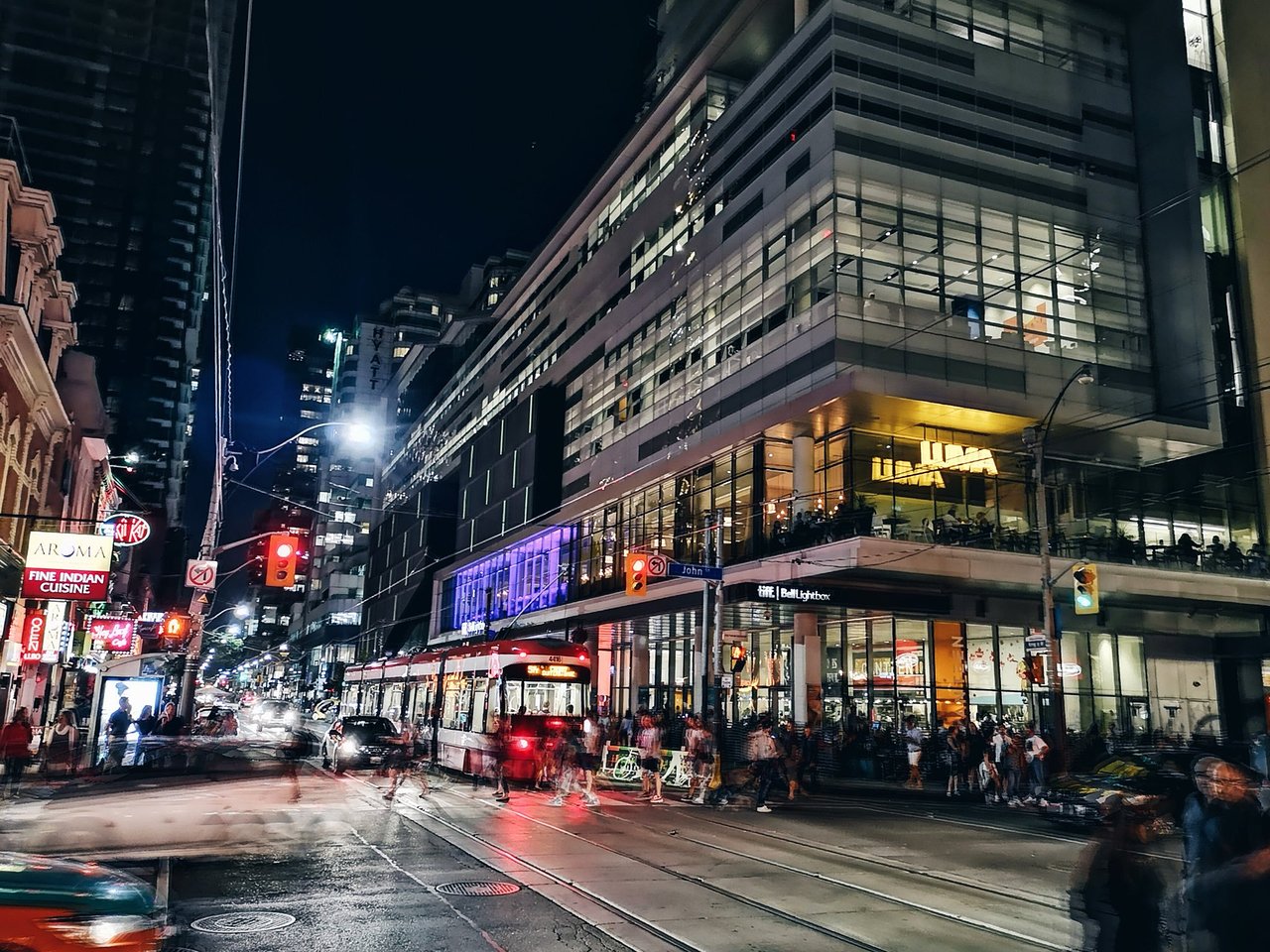
Toronto’s nightlife has always been cyclical, but what’s happening right now along King Street West feels less like a cycle and more like a shift in identity. The strip that once defined bottle service culture is quietly transforming into something more layered, more curated, and significantly more competitive.
Over the past 30 days, multiple venues in the King West corridor have either rebranded, changed ownership, or subtly repositioned their target audience. This isn’t accidental. It’s a response to a nightlife crowd that has matured—and expects more than just music and drinks.
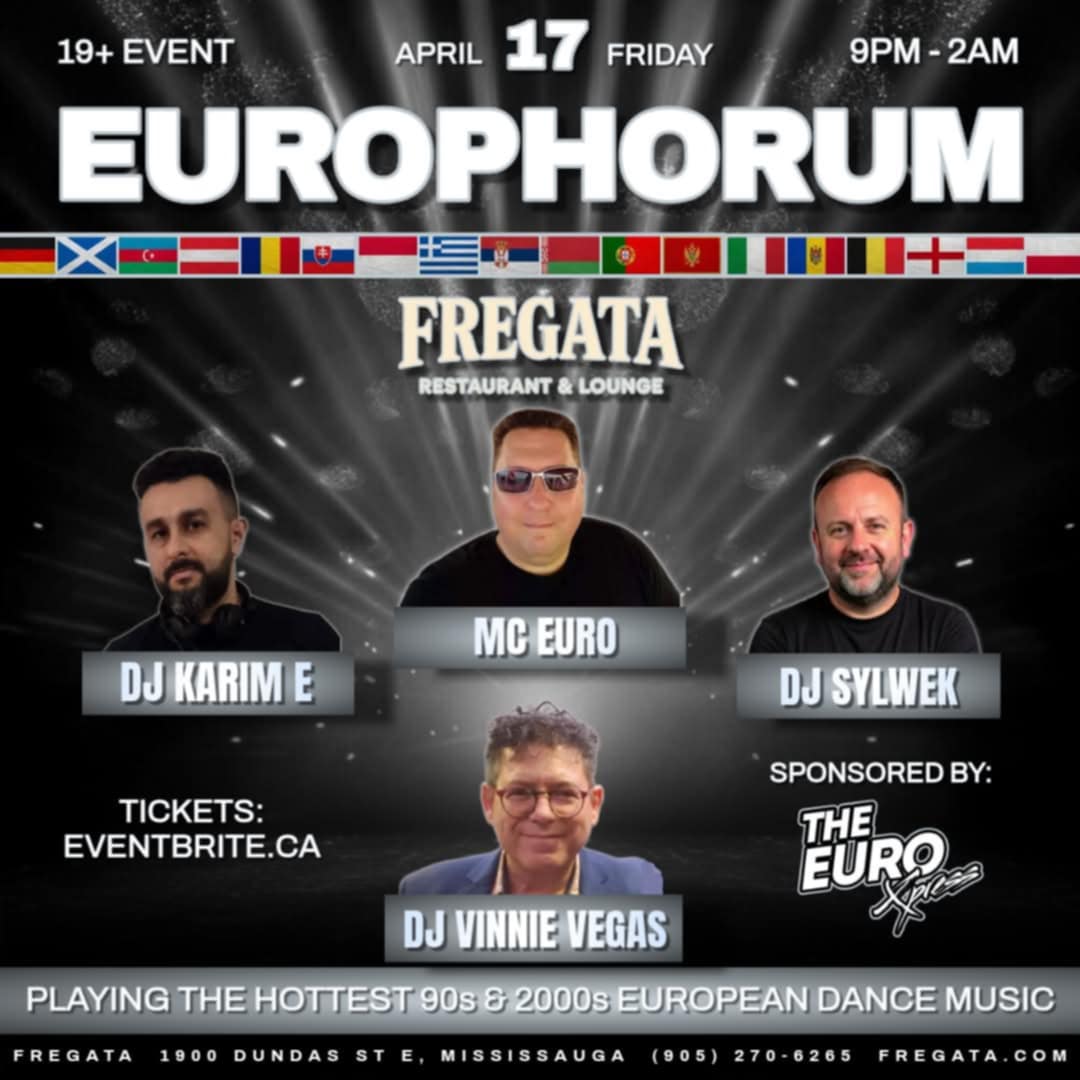
Operators are now competing on experience architecture. Lighting design, layout flow, and even entry sequences are being engineered to create moments worth sharing. The goal is no longer just to fill a room—it’s to create a space people want to document.
A major factor driving this change is the influence of hybrid venues. Restaurants that transition into nightlife environments after 10PM are outperforming traditional clubs in many cases. They capture both dinner revenue and late-night energy.

This has led to a noticeable decline in purely “dance-only” venues. Instead, spaces are being designed for flexibility—lounges that can escalate into high-energy environments depending on the night.
Another emerging trend is the elevation of music curation. DJs are no longer just playing crowd-pleasers; they’re being positioned as part of the brand identity. Venues are investing more into talent that brings a following.
At the same time, guest expectations have shifted. The modern Toronto nightlife crowd is more selective. They’re choosing venues based on social proof, digital visibility, and perceived exclusivity.
This is where platforms like ClubConnect become increasingly relevant. The ability to check in, track venue activity, and showcase social engagement aligns directly with how people now navigate nightlife decisions.
We’re also seeing a stronger emphasis on VIP segmentation. It’s no longer just about having a VIP section—it’s about making that experience feel meaningfully different from general admission.
Bottle presentations are becoming more theatrical. Lighting cues, sparklers, and coordinated staff movement are being used to create spectacle moments that ripple across the room.
Meanwhile, entry lines are being re-engineered psychologically. A visible queue still signals demand, but operators are becoming more strategic about pacing entry to maintain energy inside.
Security and crowd management have also evolved. The focus is shifting toward maintaining a consistent vibe rather than simply maximizing capacity.
Interestingly, weekday nightlife is gaining traction again. With remote work and flexible schedules, Thursday nights are becoming almost as competitive as Fridays.
Social media continues to be the primary driver of discovery. Venues that consistently produce high-quality visual content are outperforming those relying on traditional promotion.
There’s also a growing crossover between nightlife and influencer culture. Tables are increasingly being allocated not just based on spend, but on reach.
Another subtle shift is in dress code enforcement. While still present, it’s becoming more brand-specific rather than universally strict.
The rise of micro-events is another key trend. Instead of one massive weekly party, venues are hosting smaller, curated experiences that feel more exclusive.
From a business perspective, margins are being protected through smarter upselling rather than just higher volume. This includes pre-sold packages and digital booking funnels.
All of this points to one conclusion: King West is no longer just a party strip—it’s becoming an ecosystem of differentiated experiences.
For anyone operating in or promoting nightlife, adapting to this evolution isn’t optional. It’s the new baseline.