
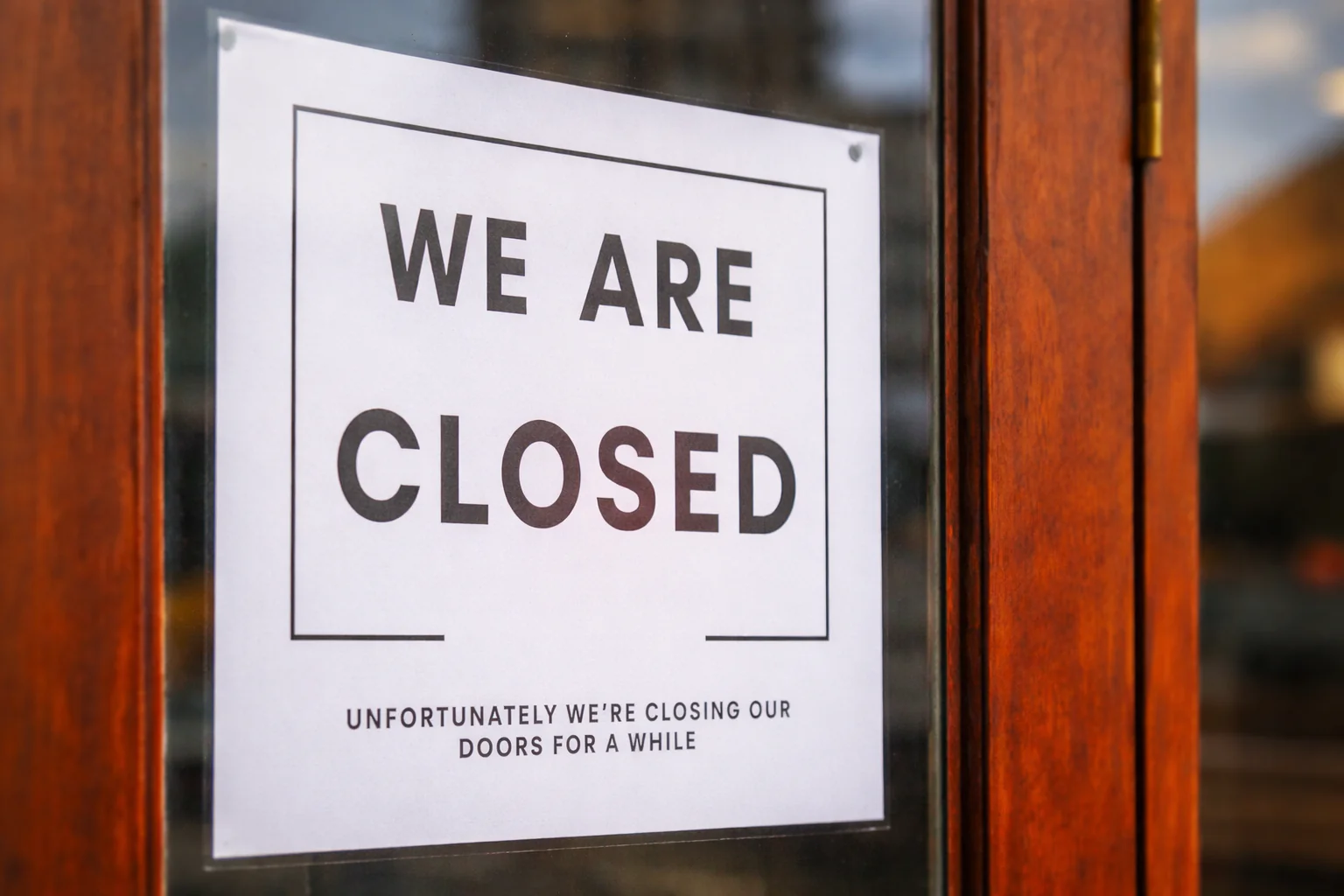
Closures don’t just affect dining—they ripple directly into nightlife.
Over the past 30 days, Toronto has seen a number of restaurant shutdowns and concept changes.

While some of these were expected, others caught the industry off guard.
When a restaurant closes, it creates a vacuum.
Not just for diners—but for pre-nightlife traffic.
Many nightlife venues rely on nearby restaurants to feed them guests.
Without that pipeline, flow patterns shift.
We’ve already seen this in parts of King West.
When a high-volume restaurant exits, surrounding venues feel the impact almost immediately.
But closures also create opportunity.
New operators move in with updated concepts.
Often, these concepts are more aligned with current nightlife trends.
This leads to faster evolution.
Spaces don’t sit idle for long in Toronto.
They’re quickly repurposed to meet demand.
Another effect is on staffing.
When a restaurant closes, experienced staff enter the market.
They often get absorbed into nightlife venues.
This raises the overall level of service across the industry.
There’s also a branding reset.
New concepts generate curiosity.
People want to see what replaced the old.
This drives initial traffic.
If the concept is strong, that traffic converts into consistency.
If not, turnover continues.
From a consumer perspective, this constant change keeps the scene dynamic.
There’s always something new to explore.
But it also makes discovery more challenging.
That’s where platforms like torontonightclub.com become critical.
They help users track what’s actually happening in real time.
Closures are part of the cycle.
But in Toronto, they’re also a catalyst for innovation.