
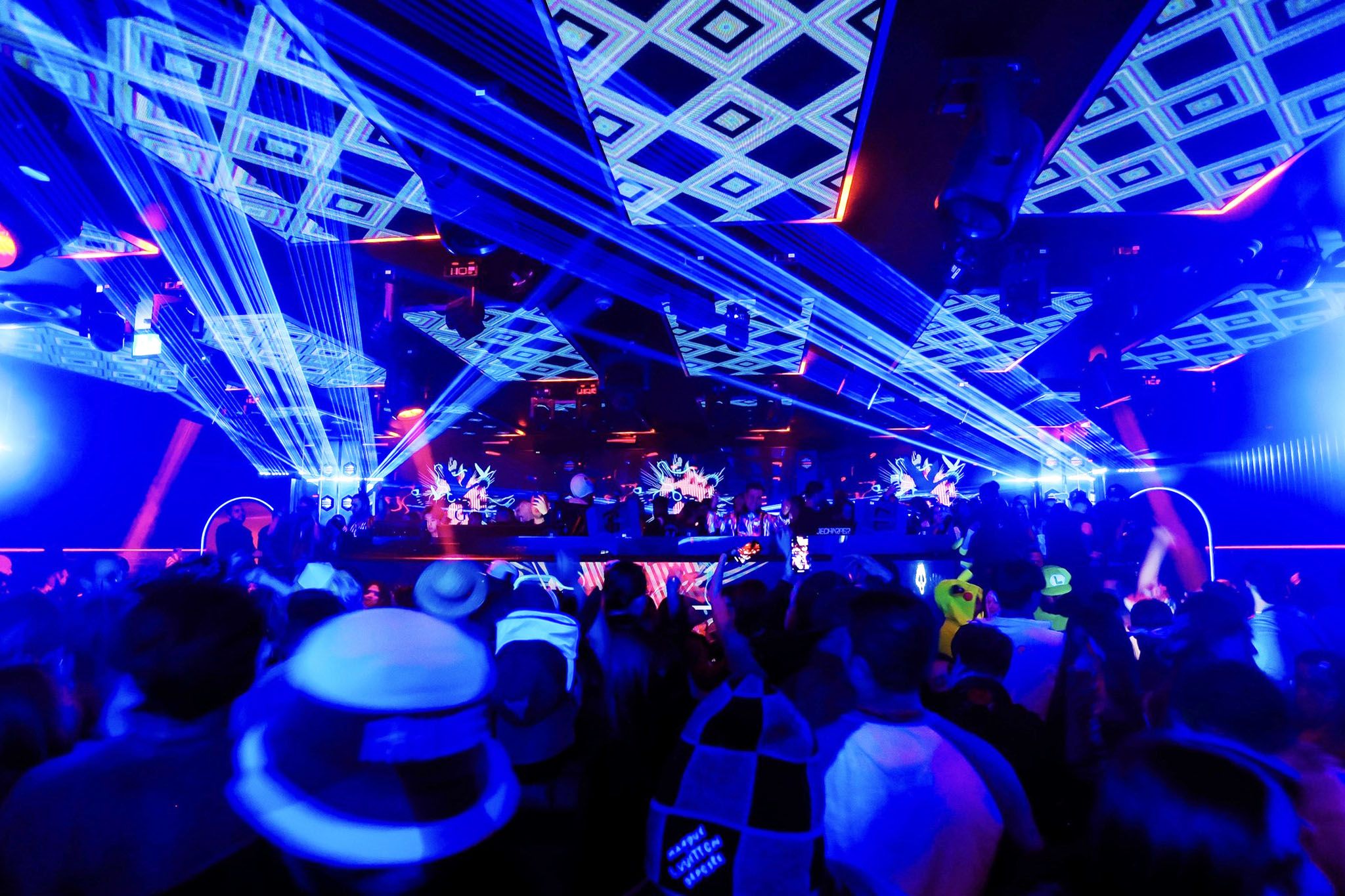
If you’ve been going out consistently in Toronto, you’ve probably noticed something subtle but significant—names are staying the same, but everything else is changing.
Over the past month, several venues across King West and the Entertainment District have undergone quiet rebrands. Not full shutdowns, but strategic resets.

This includes changes in music direction, staffing, branding visuals, and even target demographics.
This kind of shift isn’t random. It’s a direct response to audience fatigue.

Toronto crowds are extremely trend-sensitive. What worked six months ago can feel outdated today.
Rebranding allows venues to stay relevant without losing their existing infrastructure.
Another driver is competition from newer hybrid spaces that blend dining and nightlife more effectively.
Venues like Lavelle continue to dominate because they offer a full experience—not just a party.
This forces traditional clubs to rethink their identity.
We’re also seeing changes in visual branding. Dark, heavy aesthetics are being replaced with lighter, more camera-friendly environments.
This is directly tied to social media performance.
If a venue doesn’t look good on camera, it doesn’t exist in today’s nightlife economy.
Music is another major pivot point. Open-format is still dominant, but there’s a stronger push toward niche sounds on specific nights.
This helps venues capture multiple audiences without alienating their core crowd.
Staffing changes are also part of the rebrand strategy. New hosts, promoters, and DJs can shift the entire energy of a venue.
In many cases, these changes happen quietly, without public announcements.
From a business perspective, this minimizes risk while allowing experimentation.
Guest experience is also being recalibrated. Faster entry, better service flow, and more responsive staff are becoming priorities.
Toronto nightlife is becoming more professionalized.
The days of relying purely on hype are fading. Execution now matters just as much as marketing.
Platforms like TorontoNightclub.com play into this by helping users discover where the real energy is—night by night.
Rebrands are ultimately about perception.
If people believe something is new, they’re willing to give it another chance.
And in a city as competitive as Toronto, that second chance can make all the difference.