
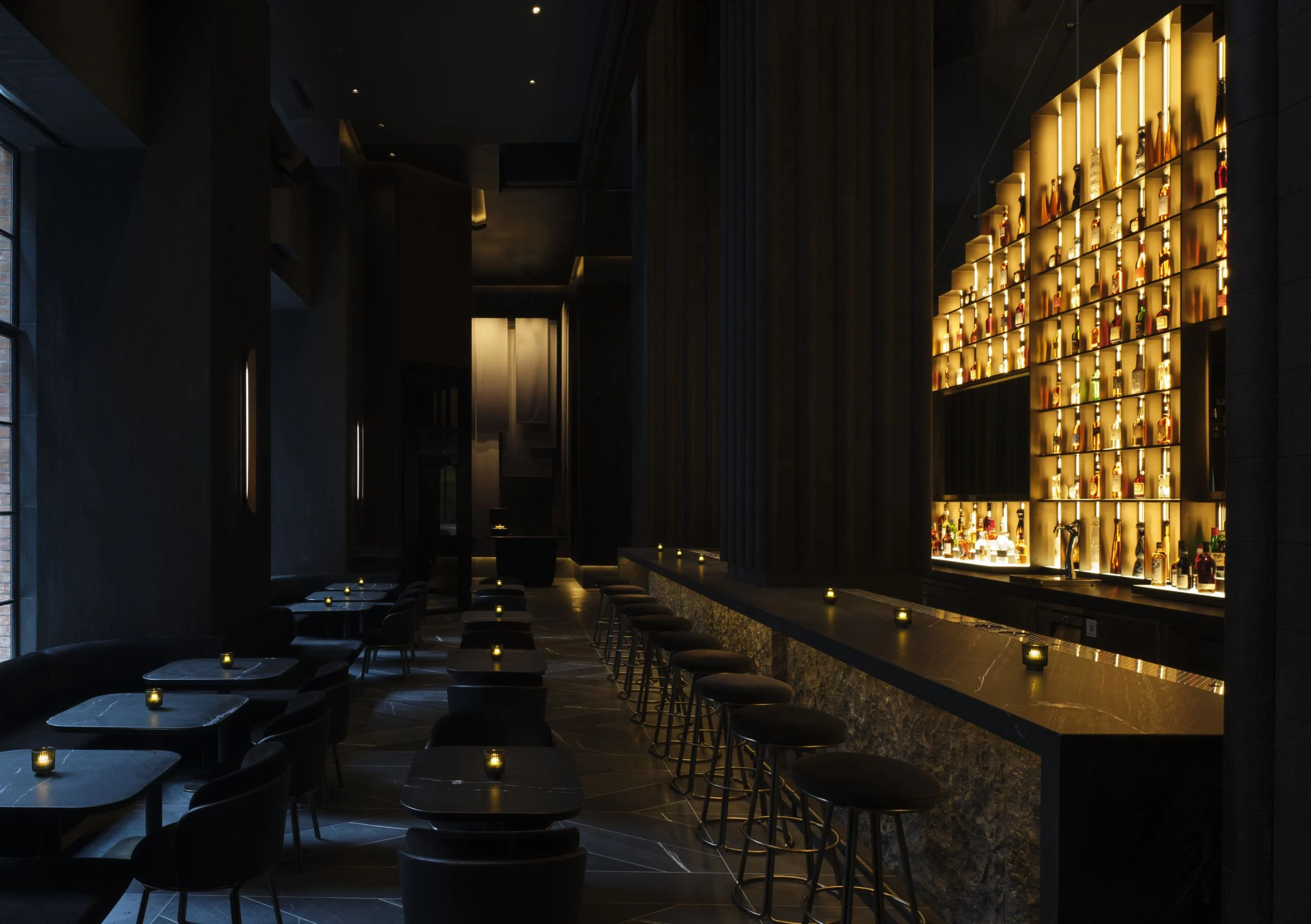
While nightclubs still dominate perception, lounges are quietly becoming the most strategically important segment of Toronto nightlife.
Over the last month, several new lounge-style venues have opened or repositioned themselves across downtown Toronto, particularly in areas just outside the traditional King West core.

These spaces are designed differently from clubs. They prioritize seating, conversation flow, and atmosphere over sheer density and volume.
This appeals to a demographic that still wants nightlife—but with more control over their experience. People want energy without chaos.

One of the biggest advantages lounges have is time flexibility. Guests arrive earlier, stay longer, and spend more consistently throughout the night.
This creates a more stable revenue model compared to clubs, where income is often concentrated in a shorter window.
Design plays a major role in this shift. Lounges are investing heavily in aesthetics—textures, lighting, and layout all contribute to a more elevated feel.
Music is also different. Instead of aggressive, high-BPM sets, lounges lean toward rhythmic, melodic, and conversational-friendly soundscapes.
Another factor is accessibility. Lounges tend to have less intimidating entry barriers compared to high-profile clubs.
This makes them more appealing for mixed groups, including those who may not identify as “club-goers.”
Bottle service still exists, but it’s positioned differently. It feels integrated rather than dominant.
Interestingly, lounges are outperforming clubs in content creation. Their environments are more photogenic, which translates better on platforms like Instagram.
This ties directly into how people choose where to go. Visual appeal is now a primary decision factor.
We’re also seeing more collaborations between lounges and restaurant brands. This hybrid model maximizes both dinner and nightlife traffic.
From an operational standpoint, lounges are more adaptable. They can pivot themes, music styles, and target audiences more easily.
This agility is critical in a market as dynamic as Toronto.
Another emerging trend is the use of reservation systems tied to digital platforms. This allows venues to pre-qualify guests and manage flow more effectively.
For promoters, lounges offer a different kind of leverage. Instead of mass promotion, the focus shifts to curated guest lists and targeted invites.
This aligns perfectly with data-driven platforms like ClubConnect, where user behavior can influence venue strategy.
There’s also a psychological component. Lounges create a sense of exclusivity without overt gatekeeping.
This balance is powerful—it makes guests feel chosen rather than filtered.
As more venues adopt this model, the line between lounge and nightclub will continue to blur.
But one thing is clear: lounges are no longer secondary—they’re becoming central to Toronto’s nightlife identity.